

Dental Implants in Powell, OH
Could Dental Implants Be the Right Fit?
Candidacy for dental implants depends on a few key factors. Take our two-minute quiz to get a clearer picture of your options before scheduling a consultation with Dr. Chitkara.

The Gold Standard for Tooth Replacement
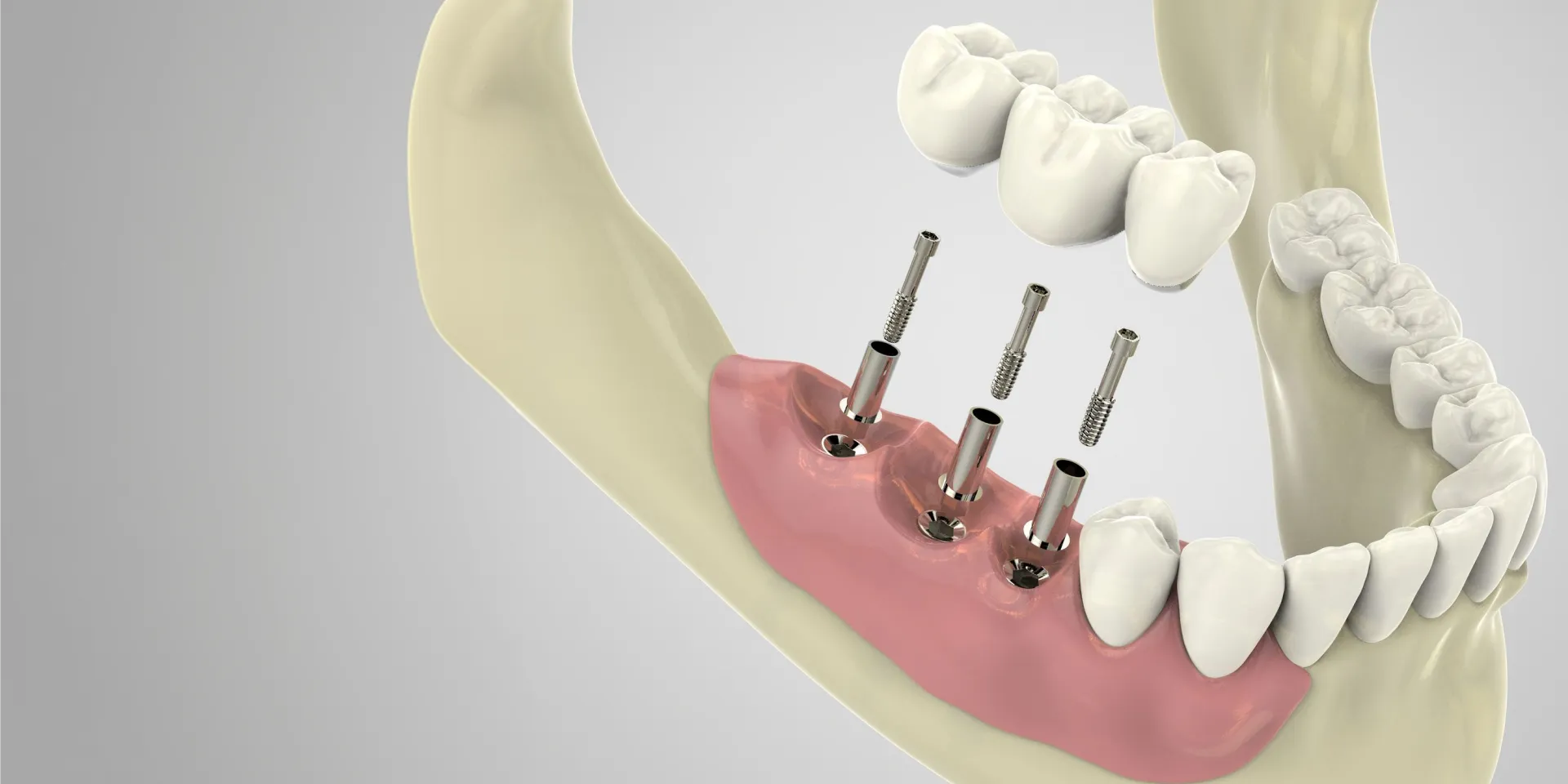
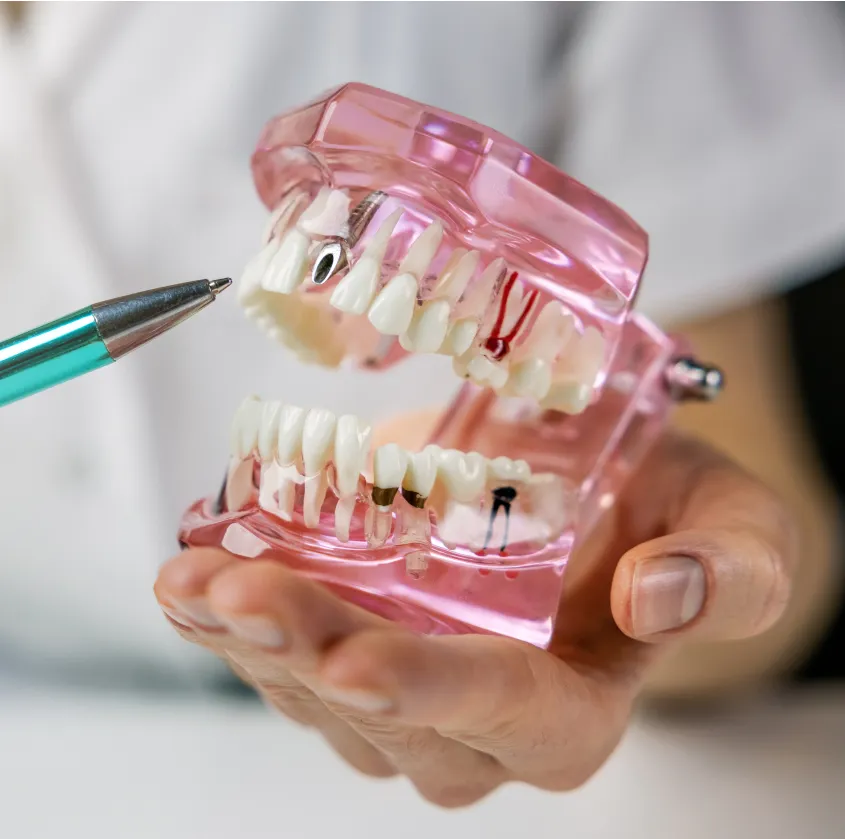
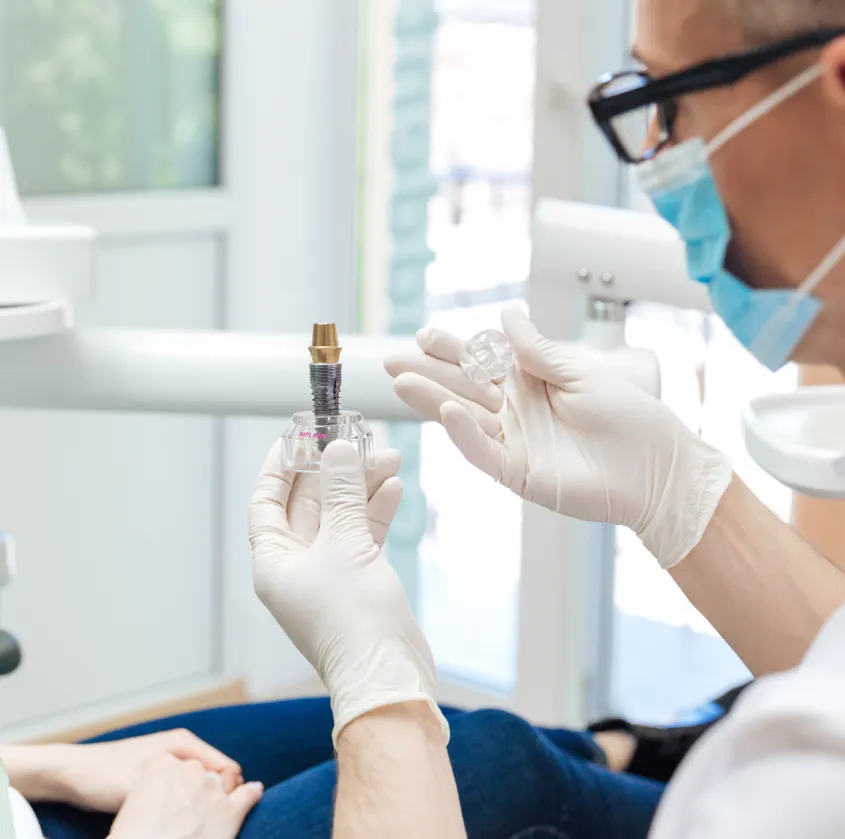
A dental implant is a titanium post placed into the jawbone to replace a missing tooth root. Once it integrates with the bone, a custom crown is attached on top, restoring the tooth's appearance and function completely.
Unlike removable options, an implant becomes part of your jaw. It doesn't shift, require adhesive, or rely on neighboring teeth for support. For most patients with adequate bone volume and good oral health, it's the most durable and natural-feeling tooth replacement available.

Placed and Restored by One Doctor
Dr. Chitkara handles both the surgical placement and the final restoration of your implant. Your entire process, from consultation through final crown, stays with one doctor who knows your case. No referrals, no transferring between providers mid-treatment.
Planned With Precision
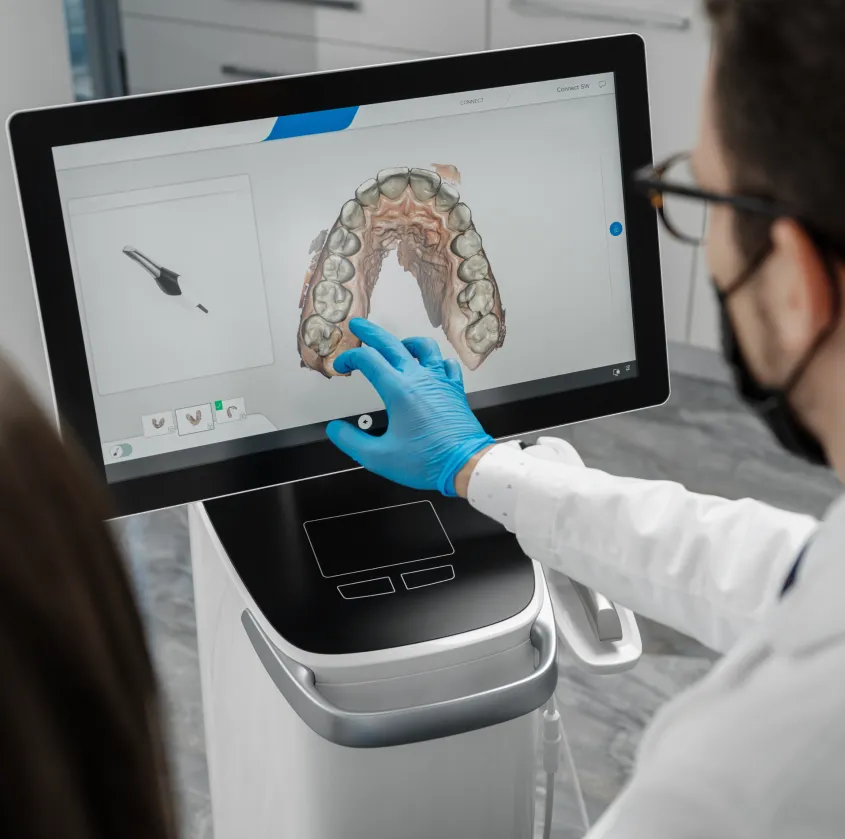
Dr. Chitkara uses CBCT cone beam 3D imaging to map your bone volume, nerve positions, and anatomy before treatment begins. You'll know exactly what the plan is, and why, before a single step is taken.

A Result That Functions Like a Natural Tooth
An implant crown is custom-designed to match the shape, size, and color of your surrounding teeth. Because it's anchored in the bone, you bite, chew, and clean it the same way as a natural tooth. No special maintenance, no dietary adjustments.
Curious If Your Insurance Is Accepted?
Are Dental Implants Right for You?
Most adults with good general health are candidates. Key factors Dr. Chitkara evaluates at your consultation include:
- Adequate bone volume to support the implant
- Healthy gum tissue free of active periodontal disease
- No uncontrolled systemic conditions that affect healing
- Smoking status — smoking significantly impacts implant success rates
Patients who lack sufficient bone volume may still be candidates following bone grafting. Dr. Chitkara provides grafting in-house and will let you know at your consultation whether it's needed.
Understanding the Implant Process
Implant treatment happens in stages, with healing time built in between. Here's what the process typically involves:
Consultation and Imaging
Dr. Chitkara evaluates your oral health, takes a 3D scan, and confirms candidacy. If bone grafting is needed, that happens first.
Implant Placement
The titanium post is placed into the jawbone under local anesthesia. Most patients report manageable soreness in the days following.
Integration
The implant fuses with the surrounding bone over several months. This is what gives the implant its permanence and stability.
Crown Placement
Once fully integrated, a custom crown is designed and placed in-house, completing the restoration.
Bone Grafting and What It Means for Your Treatment
When a tooth has been missing for some time, the bone that once supported it begins to resorb. In some cases this reduces the volume available to anchor an implant securely.
Bone grafting restores that volume by placing grafting material at the site, which the body incorporates over time. It extends the overall timeline but makes implant placement possible for patients who would otherwise not be candidates.
Dr. Chitkara performs bone grafting, ridge preservation, and sinus lifts in-house. If grafting is part of your treatment plan, he'll explain the process, timeline, and what to expect before anything is scheduled.
Long-Term Care for Your Implant
Implants are designed to last a lifetime with proper care:
- Brush and floss around the implant crown the same way you would a natural tooth
- Attend regular checkups so Dr. Chitkara can monitor the implant, surrounding bone, and gum tissue over time
- Avoid habits that place excess force on implants, including grinding and using teeth as tools
- Smoking significantly reduces implant success rates and long-term stability
The crown may eventually need replacement due to normal wear. The implant itself, when well maintained, is permanent.

What to Expect at Your Implant Consultation
Review of Your Health History
Dr. Chitkara reviews your medical and dental history to identify any factors that could affect healing or candidacy.
3D Imaging
A CBCT scan maps your bone volume, nerve positions, and anatomy in detail — everything needed to plan treatment precisely.
Treatment Plan and Timeline
He'll walk you through your options, explain each stage, and answer your questions before you make any decisions.
Financial Review
Our team will walk you through your insurance coverage and financing options so you have a clear picture of costs before moving forward.
Dentistry That Puts You at Ease

An Environment You'll Actually Enjoy
Coffee when you arrive, your choice of music, Netflix overhead, and a weighted blanket in the chair. Every detail was thought through so you can just relax.
We Accept Your Insurance
We accept most major dental insurance plans and offer financing for anything beyond coverage. We'll walk you through your benefits before your first visit.

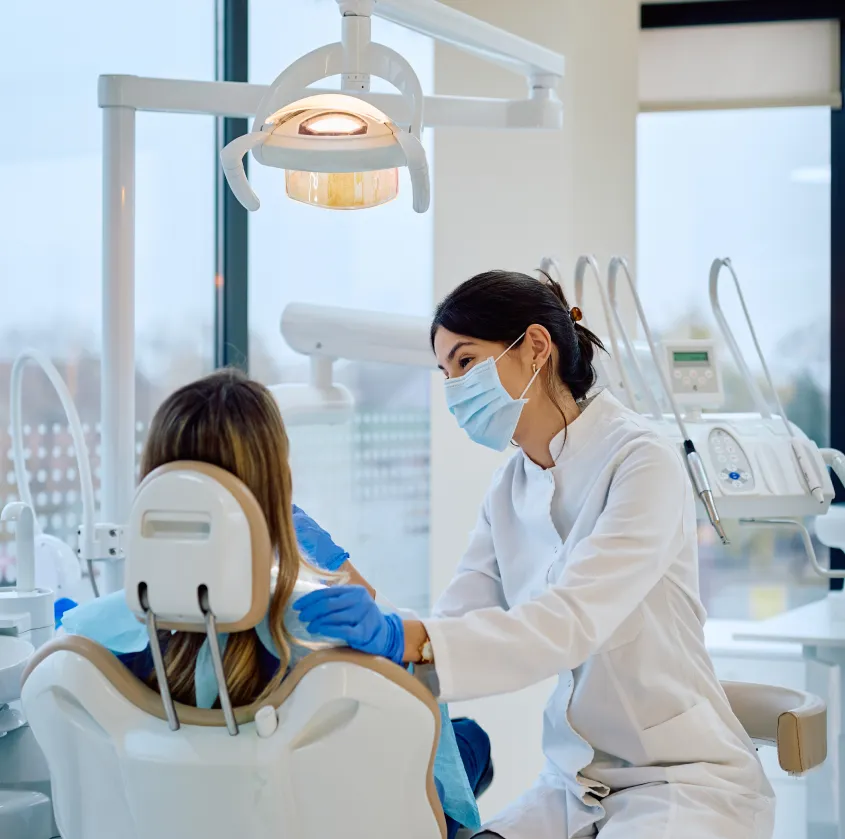
Everything Under One Roof
Cleanings, implants, cosmetic work, Invisalign, and more. You won't be referred out or asked to start over with someone new.
We Go at Your Pace
If dental visits make you nervous, you're not alone. Dr. Chitkara will make sure every step of your appointment happens only when you're ready.

Frequently Asked Questions
What's the difference between an implant and a bridge?
A bridge anchors to the teeth on either side of the gap, requiring those teeth to be prepared and crowned. An implant replaces the missing tooth independently without involving neighboring teeth. Dr. Chitkara will walk you through both options at your consultation.
Does insurance cover dental implants?
Coverage varies by plan. Some plans provide partial coverage; others exclude implants entirely. We'll verify your benefits before your consultation.
Is there an age requirement for dental implants?
Implants are recommended for adults whose jawbones have finished developing. There is no upper age limit. Candidacy is based on health and bone volume.
Can implants replace multiple missing teeth?
Yes. Implant-supported bridges use two implants to anchor a restoration replacing several consecutive teeth. Implant-supported dentures stabilize a full arch. Dr. Chitkara will discuss which option fits your situation.
How do I care for my implant after placement?
Dr. Chitkara will give you specific post-operative instructions following placement. Once the crown is in place, care is the same as a natural tooth.
Can I get an implant if I smoke?
Smoking significantly reduces success rates by interfering with healing and bone integration. Quitting before and during the healing process meaningfully improves outcomes. Dr. Chitkara will discuss this with you directly.
What if I don't have enough bone for an implant?
Patients with insufficient bone volume may still be candidates after grafting. Dr. Chitkara performs this in-house and will confirm at your consultation whether it's needed.
How long does the full implant process take?
A straightforward single implant without grafting typically takes three to six months from placement to final crown. Cases requiring bone grafting take longer. Dr. Chitkara will give you a realistic timeline at your consultation.
Is the implant procedure painful?
The area is fully numbed before placement. Most patients find the procedure more comfortable than expected. Soreness and mild swelling in the days following is normal and manageable with over-the-counter pain relief.
How long do dental implants last?
The implant itself is designed to be permanent. The crown typically lasts 15 years or more before it may need replacement due to normal wear.
Located in Powell, OH
Hours subject to change during our opening transition. Call us or book online to confirm availability.
A half-mile from Downtown Powell, at the corner of Liberty and Seldom Seen.