


Veneers in Powell, OH
Could Veneers Be the Right Fit?
The right cosmetic solution depends on your teeth and what outcome you're looking for. Take our two-minute quiz to find out.

What Veneers Can Do
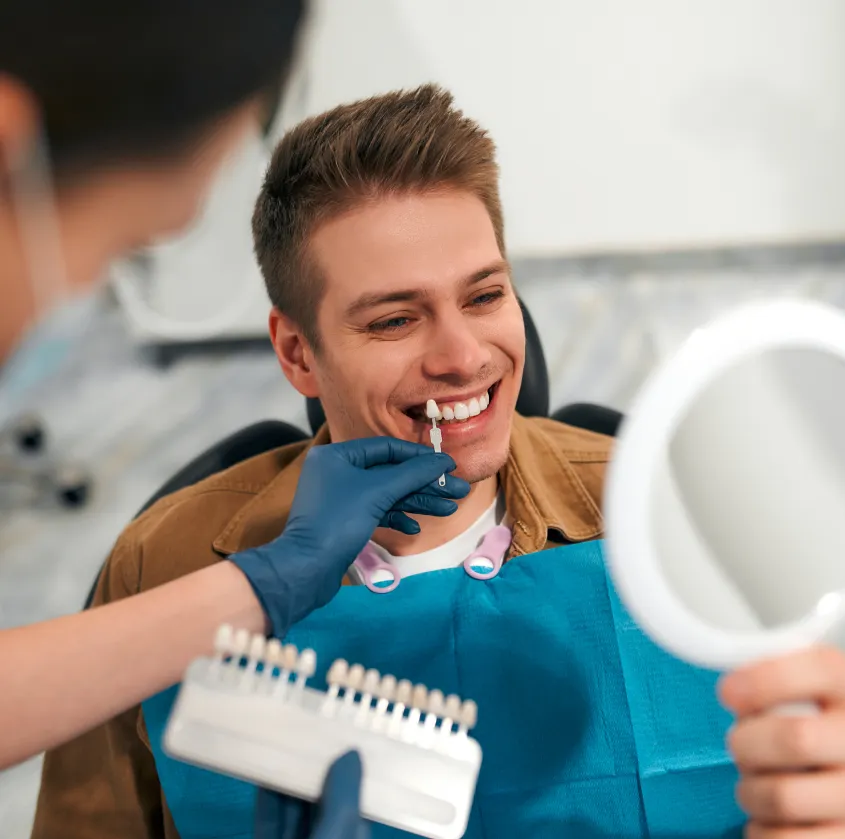
A veneer is a thin porcelain covering bonded to the front surface of a tooth. Each one is custom-designed to match the shape, proportion, and color of your surrounding teeth — or to improve on them, depending on your goals.
Veneers address cosmetic concerns that whitening, bonding, or orthodontics can't fully resolve on their own.
A Result That Looks Like Your Teeth
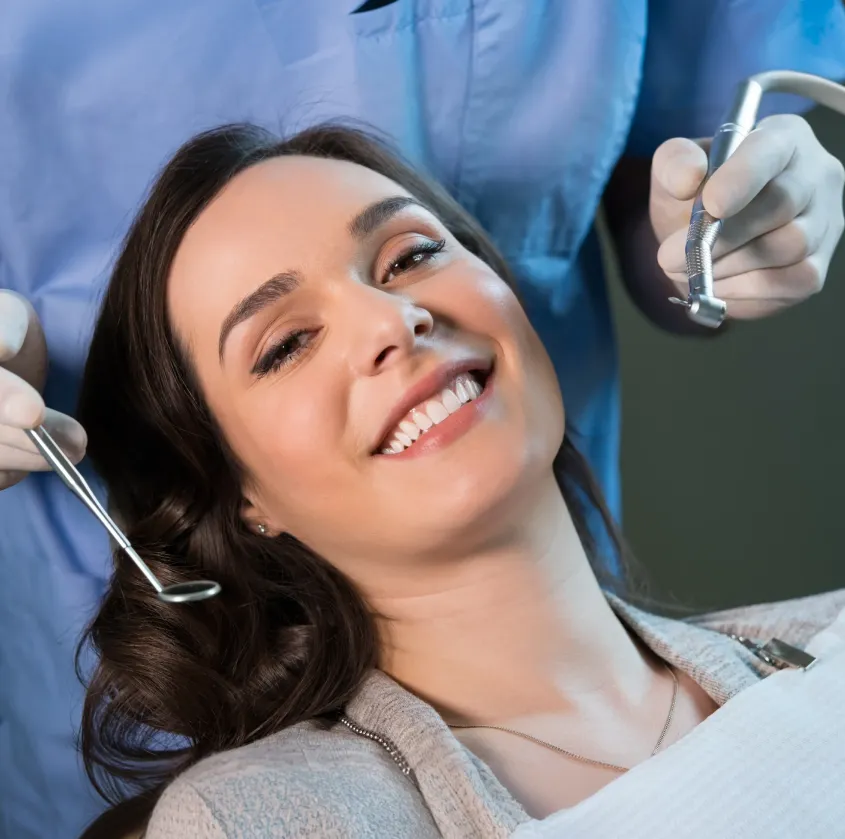
Every veneer case at Northwest Dental Studio starts with a thorough evaluation of your tooth shape, proportions, gum line, and bite. That groundwork is what makes the difference between a result that looks natural and one that looks worked on. Dr. Chitkara won't move forward with fabrication until the design reflects what you're actually trying to achieve.
A Minimally Invasive Commitment
Veneers require removing a small amount of enamel, enough to ensure a natural fit, while preserving as much of the original tooth as possible. The tradeoff is a restoration that, with proper care, typically lasts 10 to 15 years or more without the more extensive preparation a crown would require.
No-Prep Veneers: When They're an Option
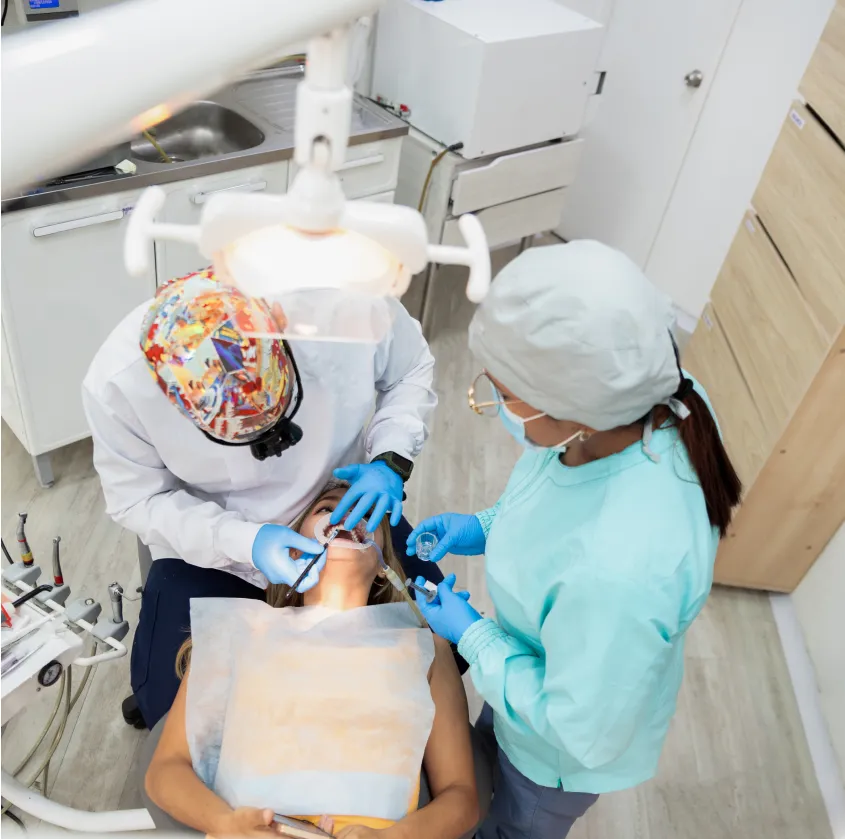
For some patients, no-prep veneers eliminate the need for enamel removal entirely, keeping the option reversible. Not every patient is a candidate. Dr. Chitkara will confirm at your consultation whether this is appropriate for your situation.
Curious If Your Insurance Is Accepted?
Choose the Right Veneer for Your Smile
Porcelain Veneers
Thin ceramic shells custom-fabricated to match the translucency and color of your natural teeth. Porcelain is stain-resistant, durable, and produces the most natural-looking result. It's the most common choice for patients looking for a long-lasting cosmetic restoration.
High-Strength Glass-Ceramic Veneers
A lithium disilicate material known for its strength and lifelike appearance. Well-suited for patients who want exceptional durability alongside natural aesthetics, particularly in areas of higher bite force.
No-Prep Veneers
An ultra-thin option that requires little to no enamel removal. The material is slightly thicker than traditional porcelain to compensate for the lack of preparation, making it appropriate only for specific cases. Dr. Chitkara will confirm at your consultation whether this is a viable option for your teeth.
Caring for Your Veneers
- Brush twice daily with a non-abrasive toothpaste
- Floss daily along the gumline where the veneer meets the tooth
- Avoid biting hard objects — ice, fingernails, hard candy — which can chip porcelain
- Wear a night guard if you grind your teeth
- Attend regular checkups so any changes to your veneers or the teeth beneath them are caught early


What to Expect When You Get Veneers
Consultation and Treatment Planning
You'll leave your consultation with a clear understanding of what the process involves, what the result will look like, and what comes next before any preparation begins.
Tooth Preparation
The tooth is numbed and a thin layer of enamel is removed. A digital scan replaces traditional impressions, and a temporary veneer protects the tooth while your permanent restorations are fabricated.
Design and Fabrication
Your veneers are custom-designed to your tooth shape, proportions, and color specifications. Dr. Chitkara reviews the design before fabrication begins to confirm it meets your goals.
Placement
Each veneer is tried in for fit, color, and bite before being permanently bonded. Any final adjustments are made chairside so the result is right before you leave.
Dentistry That Puts You at Ease
An Environment You'll Actually Enjoy
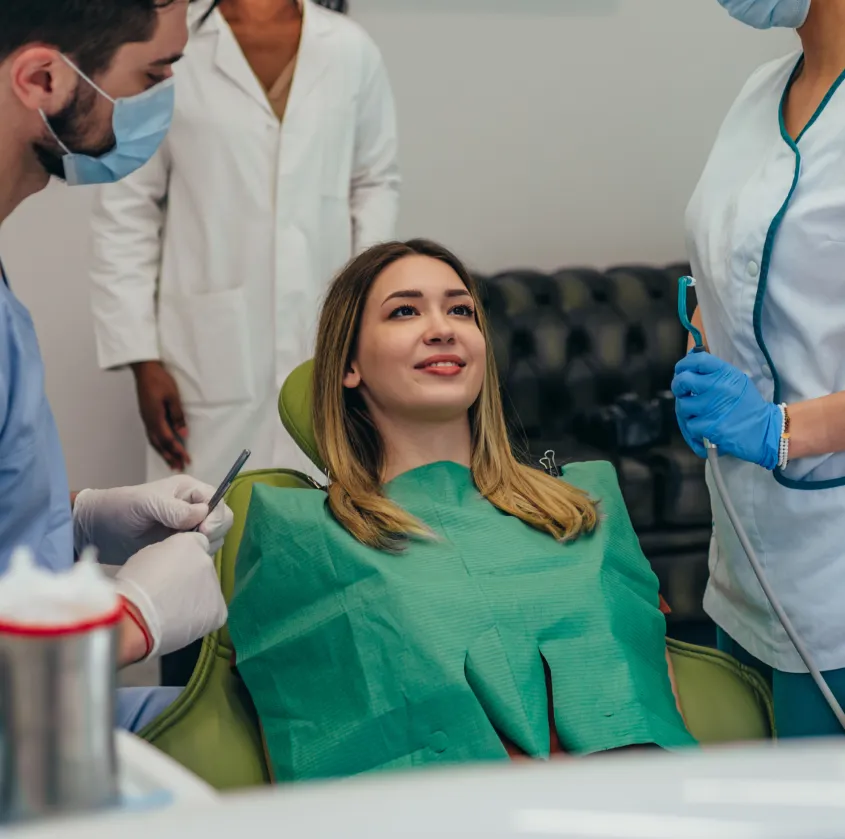
Coffee when you arrive, your choice of music, Netflix overhead, and a weighted blanket in the chair. Every detail was thought through so you can just relax.
We Accept Your Insurance
We accept most major dental insurance plans and offer financing for anything beyond coverage. We'll walk you through your benefits before your first visit.

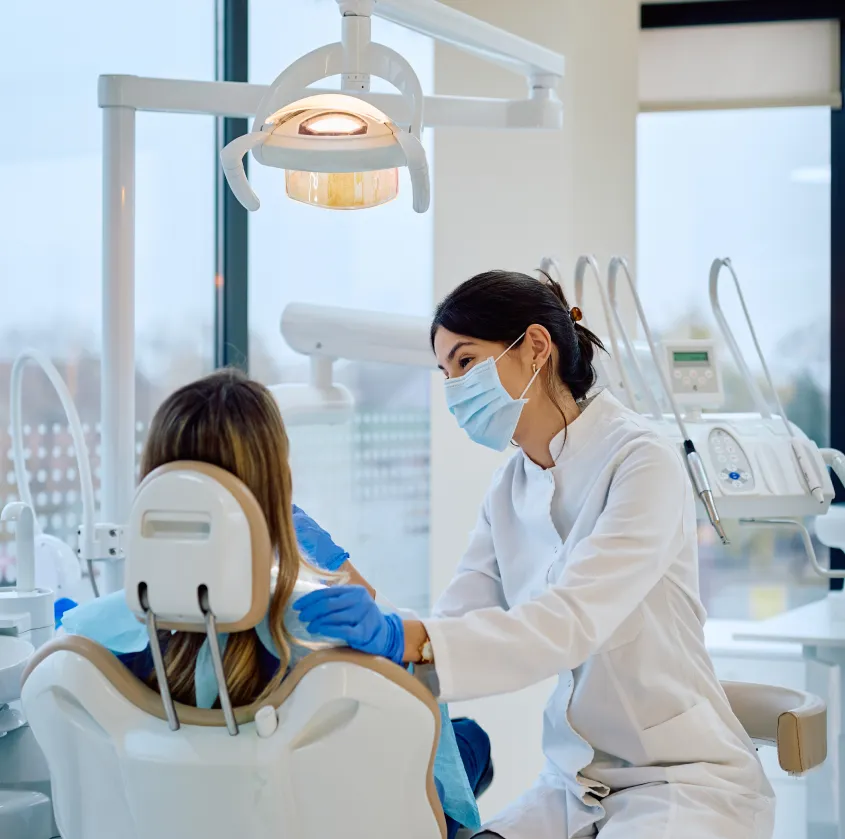
Everything Under One Roof
Cleanings, implants, cosmetic work, Invisalign, and more. You won't be referred out or asked to start over with someone new.
We Go at Your Pace
If dental visits make you nervous, you're not alone. Dr. Chitkara will make sure every step of your appointment happens only when you're ready.

Frequently Asked Questions
What happens when veneers need to be replaced?
Because enamel removal is involved, the tooth will always need a restoration going forward. Replacement veneers are fabricated and placed the same way as the originals. Dr. Chitkara monitors their condition at regular checkups and will let you know when replacement is warranted.
Can I get veneers if I grind my teeth?
Grinding shortens veneer lifespan considerably. In many cases, a night guard worn during sleep provides enough protection. Dr. Chitkara will assess your situation at your consultation and let you know whether veneers are a viable option.
What's the difference between veneers and crowns?
A veneer covers only the front surface of a tooth. A crown covers the entire visible surface and is used when structural damage or decay requires full coverage. Veneers are the more conservative option when the underlying tooth is healthy.
What's the difference between veneers and bonding?
Bonding corrects minor chips, gaps, or discoloration without preparation and at a lower cost, but it's less durable and more prone to staining over time. Veneers are the longer-lasting solution for patients whose goals warrant the investment.
Are veneers covered by insurance?
Veneers are a cosmetic restoration and are typically not covered by dental insurance. Financing options are available and our team will walk you through what's available at your consultation.
Should I whiten before getting veneers?
Yes, if whitening is part of your plan. Porcelain doesn't respond to whitening treatments, so the shade is fixed at fabrication. Any whitening should be completed before veneers are placed.
How many veneers do I need?
It depends on your goals. Some patients address a single tooth; others veneer the full smile line. Dr. Chitkara will recommend what's needed for a balanced result.
Are veneers permanent?
Traditional veneers are a permanent commitment because enamel is removed during preparation. No-prep veneers are an exception for appropriate candidates.
Do veneers look natural?
When designed well, yes. The goal is an improvement that looks like your teeth, not like veneers. Dr. Chitkara won't finalize a design until it reflects what you're trying to achieve.
How long do veneers last?
With proper care, porcelain veneers typically last 10 to 15 years or more. Longevity depends on oral hygiene habits, grinding, and regular monitoring at checkups.
Located in Powell, OH
Hours subject to change during our opening transition. Call us or book online to confirm availability.
A half-mile from Downtown Powell, at the corner of Liberty and Seldom Seen.